Sunday, 2 October 2016

How to get rid of fleas

How to get rid of fleas

Did your pet accidently bring home some tiny, unwanted, resilient pests into your home? If the answer is yes, then you have stumbled upon the right how to guide. From natural ways to remove fleas to getting rid of fleas from your home and pets, we tell you how to get rid of these dreaded pests for your house with our step-by-step guide.

Did you know that fleas can multiply by 800 million in just a matter of days? Fleas live on their host, but eggs can be left on carpets, bedding and even you, yes, you heard that right!
The first step after discovering you have a flea infestation is to clean everything that comes into contact with the host. This advice guide will walk you through the process of ridding yourselves and your home from these pesky blood-suckers. 

Step 1

- Quarantine infested pets

- Collect all bedding, throws, rugs and clothing and wash them in soapy __water - washing liquid will do. The soapy __water is known to kill the eggs, larvae, pupae and adults.

- Vacuum everything. That includes all the carpets, furniture, cracks in the floor if you have wooden flooring, behind doors, mattresses and anywhere else that collects dust.

- The remaining flea larvae can be dealt with by having the carpets steam-cleaned (this will remove any stage of flea expect the eggs). You could also shampoo your carpet with insecticidal shampoo or have a pest control expert professionally apply an infrared heat treatment to the carpet, which kills all stages of fleas. However, this type of treatment is costly.

- Wash down your pets usual resting zones with plenty of soap and water to drown and existing fleas that might be awaiting their return.

Step 2

- Fleas attack humans, too. If you suspect that you might be a victim of an infestation, it is best to take precautionary measures. Bathe one or two times daily with soap. 

- Comb your hair with a specially designed flea comb designed to drag fleas out from hiding. A lice comb may be sufficient if the flea population in your home is relatively small.

- Anything you touch is a vector for fleas. Wash it thoroughly.

Step 3

- You need to make sure that you have effectively removed all fleas from your host.

- Wash your pet with soapy water (this might prove a little difficult for cats). Wash the neck first. This way, fleas don't jump up to the head during the bath. Keep lathering your pet for up to 15 minutes to ensure that all the fleas have been killed. Rinse your pet under lukewarm water for several minutes, making sure to cleanse all the soap from its skin.

- Comb your pet daily with a flea comb and dispose of any fleas you find in soapy water. Alternatively, you can use a lint roller to pat your animal down. This method works best on short haired animals.

- Please note: You may want to take your pet to the vet before giving the animal a bath or using an insecticide shampoo to ensure the pet's safety. Some pet supply stores will bathe your animal for a small fee. Take caution when applying flea treatment to yourself and your pet. Only use treatments for the animal they are meant for. Cats and dogs may require different treatments.

Prevention is always better than cure, so here are a few tips to control any future infestations.
Step 4

- Restrict pets to area that are easily cleaned or changeable.

- Fleas love carpet fibres so be sure to vacuum as often as you can. Dispose of vacuum bags immediately after use.

- Lay towels anywhere that your pet is likely to sit, and wash them all every week until the fleas are gone, and every so often after that.

- Comb your pets daily with a flea comb and record you find so you can identify any surges in the flea population. Use soapy water to kill them.

Natural ways to remove fleas

- Spread salt over the surface of your carpet. The salt crystal will attaches itself to the flea, drying it out. After 2-3 days, vacuum the salted area very thoroughly, making sure to pick all the salt and flea carcasses from the carpet. Repeat the process.

- Make your own herbal flea bath. Take two cups fresh rosemary leaves and add them to two pints of water. Boil for approximately thirty minutes. Strain the liquid, discard the leaves and mix it with up to a gallon of warm water. Pour this over your pet. Do not rinse off, but allow your pet to air dry or dab them lightly with a towel or tissue paper.

Tips and warnings

Post-party clean-up guide

Cleaning up after a party doesn't have to be a headache - although you might have one! Get your house shipshape in no time with our step-by-step guide to tackling the morning-after mess...

STORE food leftovers you want to keep - wrap in clingfilm and put in the fridge as soon as possible.

OPEN THE WINDOWS - even if it's cold outside - to banish stale odours.

WEAR AN APRON over your pyjamas and don some rubber gloves.

PREVENT MORE SPILLAGES by getting rid of bottles and glasses first.

COLLECT BOTTLES in a recycling bag or bin, emptying dregs into a bucket as you go to save constant trips to the sink.

GATHER GLASSES by placing them on a tray lined with a damp cloth (for grip). Again, empty dregs into a bucket as you go. If you have a dishwasher, fill it with glasses and set it going. Otherwise, wash them by hand and leave to drip-dry upside down on clean tea towels placed on the worktop.

LAYER TWO BIN BAGS, one inside the other, to stop any leakage through tears.

PICK UP all the non-recyclable waste from around the house, including any unwanted food that can't be composted, then put it in your outside bin.

SOAK PLATES AND CUTLERY to soften dried-on food and stop odours until you're ready to wash them.

TACKLE STAINS from wine or food on your carpets and upholstery. Follow our tips (right) if you want to use more eco-friendly methods or, alternatively, use an all-purpose carpet and upholstery stain remover such 
as Sainsbury's Carpet & Upholstery Cleaner, £2.55 for 500ml, which is a winner of a Which? Best Buy Award.

TREAT TABLECLOTHS and linen napkins with a pre-wash product such as Stain Zappa, £3.29 for 100ml, Lakeland, then put them in the washing machine.

VACUUM the whole house thoroughly.

PUT AWAY GLASSES and load the plates and cutlery into the dishwasher.

WIPE SURFACES with a multisurface cleaner, then mop any hard floors to remove sticky residues. Start with the outer rooms first and work your way towards the kitchen.

RELAX with a cup of tea and put your feet up - you've earned it! Happy new year!

How to get rid of bed bugs

If you're waking up with rows of red itchy bites, especially on your face, neck, shoulders and limbs you may be sleeping with bed bugs. Want to learn how to get rid of bed bugs? Here's our simple guide...

Bed bugs are small, brown and flat blood-sucking insects that hide and breed in cracks and crevices in and around your bed. They emerge at night to feed on a sleeping host, attracted by their body heat and the carbon dioxide they exhale.

Bed bugs aren't known to spread diseases. Their bite isn't harmful to humans and although some people can develop an adverse skin reaction to bed bug bites, some don't react at all. However just knowing they're there, waiting for you, can be an unsettling thought.

A bed bug infestation doesn't mean you have a dirty home and you're not to blame either - the cheeky little pests can end up in your adode and quickly multiply after hitching a ride in luggage, or in pre-used furniture. They're also common in multi-occupancy buildings, such as hotels and blocks of flats where they can easily spread from room to room by crawling through pipes and cracks in the walls. 

How to spot bed bugs

Adult bed bugs measure around 6mm across and their elongated eggs and larvae are much smaller so they can be hard to detect. They don't fly or jump but can crawl quickly and are experts at hiding.

Inspect your mattress, bed frame and surrounding sleeping area for signs of bed bugs, looking for clusters of brown spots - their droppings, and discarded larvae shells. You might also be able to find blood spots on your bedding and smell the musty scent given off by adult bed bugs.

Always check second-hand furniture for bed bugs before you bring any into your home. If you're travelling, check the hotel beds and headboards too and store your suitcase off the floor on a luggage rack to avoid them climbing onboard.

Not bed bugs? Follow our advice on how to get rid of fleas.

How to get rid of bed bugs

If you have bed bugs at home, take immediate action to avoid an infestation. It's best to contact your local council who may treat your home for free, or a pest control company, preferably a member of the British Pest Control Association (BPCA) as they are pros at getting rid of stubborn bed bug infestations and have access to the most effective insecticides and equipment available.

DIY guide to getting rid of bed bugs

We recommend getting professional help to get rid of bed bugs as these pests are notoriously hard to eradicate, due to their immunity to some household insecticides. Plus an infestation can easily recur if any eggs are missed, but if you want to try DIY pest control, take these measures:

  • Completely strip your bed and put the infested bed linen, as well as pyjamas and soft toys straight into a 50°C - 60°C wash, if possible. Then tumble dry the items on the hottest setting for 30 minutes as the heat will kill any remaining bed bugs and their eggs. Placing bagged-up laundry in the freezer for three days will also kill the pests.

  • Dismantle your bed furniture and thoroughly inspect it along with your mattress and any other potential hiding places around the bed such as carpets, behind bedside tables and cracks in walls (which will need to be sealed) then use a vacuum cleaner with a plastic crevice nozzle attachment to suck up the bed bugs, including their eggs, larvae and droppings. Throw away the vacuum cleaner bag and its contents in a sealed bin liner, immediately. A heavily-infested mattress will need to be disposed of safely and swapped for a new one.
  • The little pests can crawl quite far, so you should go over the whole room (if not your entire home) with a fine-toothed comb, looking under furniture, inside drawers, behind peeling wallpaper - everywhere, for signs of them.
  • Next use a special bed bugs insecticide, following the manufacturer's instructions, to treat all infested areas and kill any remaining bed bugs.
  • Steam cleaning is chemical free and instantly kills bed bugs and their eggs.
  • Tea tree oil can also be used as a natural bed bug insecticide - mix up your own spray, using 1 drop of tea tree oil to every fluid oz of water.

Bathroom designs - from country to modern

Need inspirational bathroom ideas? From country bathrooms to modern suites, our essential guide is packed full of ideas to kick-start your project.

Country bathrooms

Transform your ensuite with vintage-style details, floral wallpaper and white-painted floorboards.

Traditional bathrooms

From elegant roll-top baths to sophisticated window treatments, be inspired by traditional decorating schemes.

Modern bathrooms

Get clever with spotlights, sparkling tiles and the latest bathroom fittings.

Browse 345 bathroom schemes

Choose your favourites and add them to your shortlist.

SEE VIDEO Glamorous bathroom design ideas

Laurence Llewelyn-Bowen reveals his 4 essential steps to a luxurious bathrom.

SEE VIDEO Bathroom storage - why less is more

Laurence Llewelyn-Bowen's cruel-to-be-kind bathroom storage tips.

Bathroom flooring - the essential guide

Step safely out of the bath with our essential guide to stylish and practical bathroom flooring.

Our favourite bathrooms

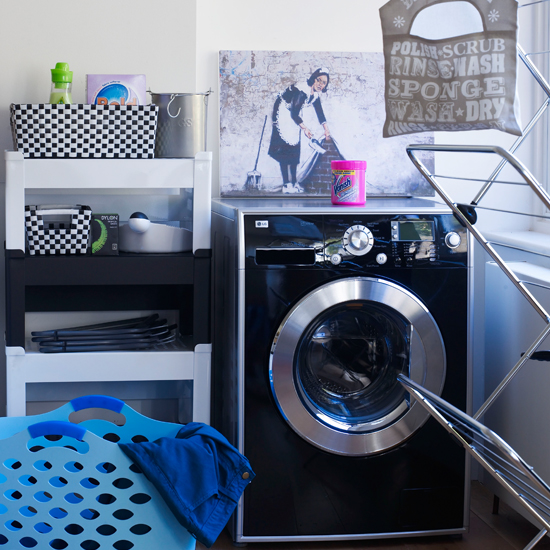
How to clean a washing machine

Try our top tips on how to clean a washing machine. If your washing machine is looking a bit worse for wear and you're convinced that your whites are not coming out quite so bright, bring it back to life with six little jobs designed to make washing day that little bit better...

How to clean your washing machine

1. Clean the detergent drawer


The detergent drawer can be a haven for germs, encrusted washing powder and mould and it's a little space that can get dirty faster than you would imagine, considering this is where you put the formula designed to clean your clothes and linens!

For the best results, remove the entire drawer and set to work with an old toothbrush and an ordinary domestic cleaner. If you are unsure about how to remove your drawer, consult the user manual. Don't forget to clean the drawer cavity too. It'll be spotless in mere minutes and your clothes will feel fresher instantly. 

2. Clean the filter 

The debris filter is there to protect your washing machine's pump by stopping lint, stray tissues, coins and general dirt in its tracks. That means that, like the detergent drawer, it's a place where germs collect. It is also warm and humid so provides an ideal breeding ground for dodgy smells to infiltrate the machine... and your laundry.

The solution? Empty it regularly to remove the fluff and dirt that has gathered inside. The washing machine filter is usually located along the lower edge of the machine, behind a hinged cover. Check your user manual if unsure. Carefully free the emergency drain tube and place a bowl or pan on the floor below it. Unplug and allow any trapped __water to drain off. Replace the plug, remove the bowl and lay a towel on the floor. Carefully unscrew or release the filter cover. Any trapped debris should run out with the trapped water, but check inside the cavity to be sure. Wipe around with a cloth, clean any components and replace the cover. Check again that you have replaced the cover properly to prevent any accidental leaks.

3. Clean the drum

Even if the inside of your washing machine looks sparkling clean, it's probably not. There are lots of nooks and crannies where germs can hide and fester. The best thing to do is run an empty wash every couple of months.

Use soda crystals or even dishwasher tablets and run on a hot wash (preferably 60 degrees). This should kill germs, remove odours and stop soap scum and limescale building up in hard-to-see places.

4. Prevent bad smells


Ever opened your washing machine door to be greeted with an unpleasant, musty smell? This may be because the damp conditions of a freshly-run machine are perfect for mould to grow.

Leaving the washing machine door open slightly after washes allows air to circulate around the drum, which helps stop germs breeding and reduces the associated damp scents. Make sure your outside drain is also kept clear of debris and regularly cleaned as odours can feed back up into the machine.

5. Clean the door seal  

When you're pushing your washing into the machine and pulling it back out again damp, it's easy to forget about the space between the door and the drum. That rubber seal that's stopping __water from spilling out on to your kitchen or utility room floor is also a place for excess detergent and dirt to hide. If you let this build up, it does turn into mould and becomes increasingly difficult to remove.

Before and after each wash, use a damp cloth to give the seal a gentle wipe and that should be enough to keep this part of the machine in good nick. It also means your clean washing doesn't pick up fresh dirt as you take it out to dry.

6. Use the right detergent


When you're faced with the mind-blowing array of detergents lined up on the supermarket shelves, it's easy to think only about the effect they have on your clothes. Interestingly extra suds and liquid softeners have been linked to leaving a residue in the machine that may contribute to bad smells and mould.

In short, if you want to be kinder to your washing machine (and help it last longer) use powder rather than liquids. 

Need a new washing machine? See our How to buy a new washing machine guide.

Best-ever stain-busting tips

Red wine on your carpet? Grease on your tablecloth? Don't panic! Save your soft furnishings from these common spillages...

1. RED WINE - Blot with a paper towel, dab with __water and blot again. Spray with a specialist product such as Oops! Red Wine Stain Remover, £6.95 
for 100ml, from The Handpicked Collection.

2. BEER - Blot with paper towels then sponge with a solution of 1tsp laundry detergent in a cup of warm water. Next, use a solution of one part white vinegar with two parts cool water. Sponge with __water again and then blot dry.

3. GREASE - Sprinkle with cornflour. Leave for 10 minutes, then remove the flour, sponge the area with water and blot dry.

4. CHOCOLATE - Place paper towels on top and run a cool iron over it. Get rid of the remaining mark by sponging with 1tsp laundry detergent in a cup of warm water, then rinse with water and blot dry.

5. COFFEE - Soak with lemon juice or white vinegar, then blot. Sponge with water and blot dry. 

How to clean silver

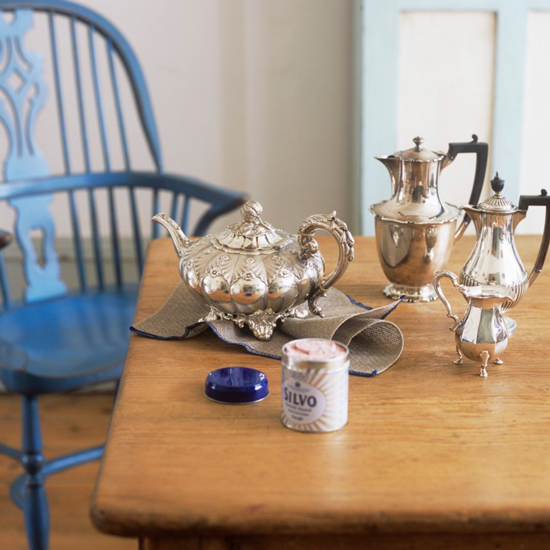
Want to learn how to clean silver? Silverware is a beautiful addition to any home, however over time it can lose its shine and look a little dull. Cleaning silver in the following way will help to remove the yellow to brown silver sulfide tarnish that naturally builds up as time goes by.

How to clean silver

If your silver is missing its shine, buff it up using a polish specifically designed for silver and a cotton ball or cotton polishing pad to revive its shine. Follow this by rinsing the silver polish off with __water and dry with a soft clean cloth.

How to clean tarnished silver

  • If your silver is tarnished with a yellow or brown tinge start the cleaning process by washing it in warm soapy __water to remove any grease and dirt, using phosphate-free detergent.
  • Next remove any non-silver attachments and place the silver in a large pot lined with aluminum foil, shiny side up.
  • Mix up a solution of two pints boiling water to a quarter cup of baking soda and two teaspoons of salt, then pour it over the silver.
  • Wait for 10 seconds while the chemical reaction removes the silver sulfide from the silver. If the silver is very tarnished you can keep it in the solution for upto 5 minutes.
  • Remove the silver from the solution using tongs, rinse with cold water and use a soft clean cloth to dry and buff the silver until it is shining.
  • If the silverware has holes in it, thoroughly rinse out the hollows and dry them, as any leftover solution may eventually corrode the silver.
  • You can follow by using a little silver polish and a cotton polishing pad to buff and add extra sparkle to your silver.

Cleaning valuable silver and heirlooms

If you have very valuable silver, we recommend consulting an expert to clean your silver to avoid the risk of damaging it with abrasive cleaners.

Care guides for cleaning silver and storing it

  • Never put silver in the dishwasher. The high temperature could warp the silver and other items could scratch it.
******

Chosen by

House to Home